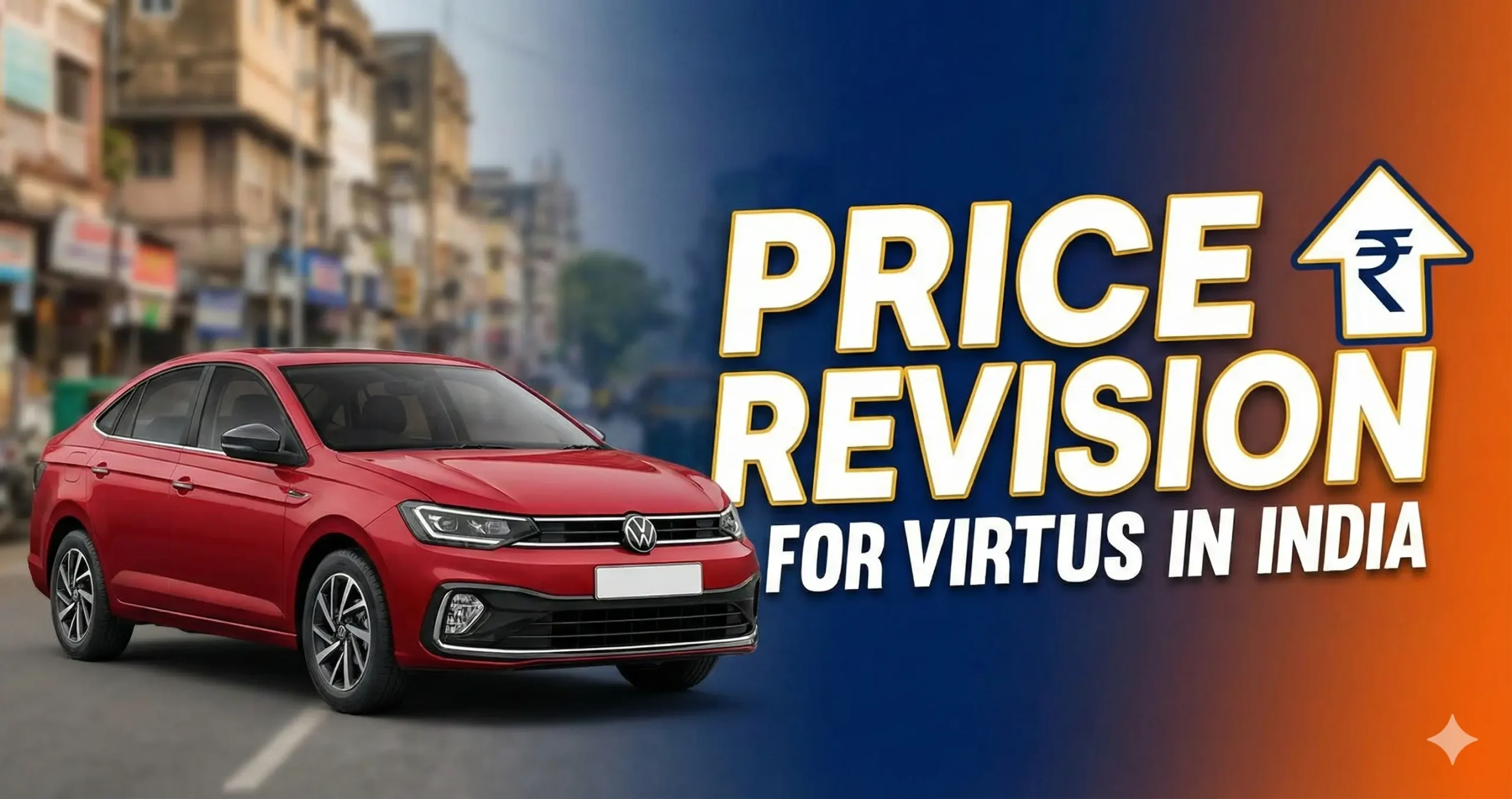
The Indian sedan market has been witnessing a silent but steady shift. While SUVs dominate headlines, premium mid-size sedans are quietly evolving with better engines, more features, and refined driving dynamics. One such car at the center of attention is the Volkswagen Virtus. Recently, Volkswagen announced a price revision for Virtus in India, sparking curiosity among buyers, auto enthusiasts, and existing owners alike.
In this in-depth, human-written expert blog, we’ll break down Virtus India revised prices, what has changed across variants, the real reasons behind the revision, expert opinions, ownership impact, and whether now is the right time to buy. No source links, no fluff—just clarity.
Quick Snapshot: Virtus Price Revision in India
Volkswagen has adjusted prices across select Virtus variants. The revision is not extreme, but it reflects broader industry trends such as:
- Rising input and logistics costs
- Feature upgrades in specific trims
- Alignment with updated BS6 Phase-2 norms
- Market positioning against rivals like Slavia, Verna, and City
For most buyers, the revised pricing still keeps Virtus competitive—especially when you factor in performance and build quality.
Revised Volkswagen Virtus Price Range (India)
While exact on-road prices vary by city and state taxes, the revised ex-showroom price range of Virtus now broadly sits between:
- ₹11.6 lakh – ₹19.4 lakh (approx.)
Variant-Level Understanding (Simplified)
| Variant Type | Engine | Transmission | Price Impact |
|---|---|---|---|
| Base / Comfortline | 1.0L TSI | MT | Minor increase |
| Mid Variants | 1.0L TSI | MT / AT | Slight increase |
| GT Plus | 1.5L TSI | MT / DSG | Moderate revision |
| Sport / Special Editions | Mixed | Mixed | Feature-based |
Expert note: The GT variants saw more noticeable changes due to higher component costs and strong demand.


Why Did Volkswagen Revise Virtus Prices?
1. Input Cost Inflation
Steel, aluminum, electronics, and semiconductor costs have risen globally. These directly affect engine, infotainment, and safety systems.
2. BS6 Phase-2 Compliance
Virtus engines are now optimized to meet stricter emission norms without sacrificing performance—this involves recalibration and hardware tweaks.
3. Feature Enhancements
Some trims now offer:
- Improved infotainment software
- Better sound insulation
- Enhanced safety sensors
Even small upgrades add to production costs.
4. Brand Repositioning
Volkswagen is positioning Virtus as a premium driver-focused sedan, not just a value alternative.
Engine & Performance: Still a Strong Selling Point
1.0L TSI Engine
- Power: ~115 PS
- Torque: 178 Nm
- Best for: Daily city use + occasional highway drives
1.5L TSI EVO Engine (GT)
- Power: ~150 PS
- Torque: 250 Nm
- Cylinder deactivation tech
- Best for: Enthusiasts who love performance
Expert insight: Even after the price revision, Virtus GT remains one of the most engaging sedans under ₹20 lakh.
How the Price Revision Impacts Buyers
New Buyers
- Slightly higher upfront cost
- Still strong value if driving pleasure matters
Existing Owners
- Better resale value
- No negative impact on service plans or warranties
Comparison Shoppers
Virtus may cost marginally more than some rivals, but it compensates with:
- European build feel
- Turbo-petrol performance
- Stable high-speed handling
Virtus vs Rivals After Price Revision
Virtus vs Skoda Slavia
- Same platform & engines
- Virtus feels sportier
- Slavia leans toward comfort
Virtus vs Hyundai Verna
- Verna: more features, softer ride
- Virtus: better steering feedback, build quality
Virtus vs Honda City
- City: proven reliability, hybrid appeal
- Virtus: modern turbo engines, stronger mid-range
Is Volkswagen Virtus Still Worth Buying in 2026?
Short answer: Yes—if you value driving experience.
The revised prices don’t dilute what Virtus stands for. Instead, they reflect:
- Better long-term ownership value
- Improved compliance and refinement
- Stable brand strategy in India
Expert verdict: If your heart says “sedan” and your mind says “fun to drive,” Virtus remains a top contender.
Ownership Costs & Maintenance Perspective
- Service intervals: Reasonable
- Parts availability: Improved across metros
- DSG maintenance: Slightly higher but manageable with care
Tip: Opt for extended warranty and service packs to offset long-term costs.
Ideal Buyer Profile for Virtus (Post Price Revision)
You should consider Virtus if:
- You enjoy spirited driving
- You prefer sedans over SUVs
- You value handling and safety
- You want a premium yet practical car
Expert Buying Tips After Price Revision
- Compare on-road prices city-wise
- Watch for festive discounts
- Test drive both 1.0 and 1.5 engines
- DSG buyers: understand driving habits
Frequently Asked Questions (FAQ)
Is Volkswagen Virtus price increased in India?
Yes, Volkswagen has revised Virtus prices slightly across select variants.
Which Virtus variant saw the highest price revision?
The GT variants with the 1.5L TSI engine saw a relatively higher adjustment.
Are there any new features after the price revision?
Some trims received minor feature and software updates along with compliance improvements.
Does the price revision affect mileage?
No significant impact. Engine tuning remains efficiency-focused.
Is Virtus expensive compared to rivals now?
Not significantly. It remains competitively priced for its segment and performance.
Should I wait or buy now?
If you find a good deal or discount, buying now makes sense as future revisions are possible.
How to Decide if Volkswagen Virtus Is Right for You (How-To Guide)
Step 1: Define Your Driving Needs
City-focused → 1.0 TSI
Highway & fun driving → 1.5 TSI GT
Step 2: Set Budget (On-Road)
Include insurance, extended warranty, accessories.
Step 3: Take a Proper Test Drive
Test steering response, ride comfort, and braking.
Step 4: Compare With Rivals
Drive at least two alternatives before finalizing.
Step 5: Negotiate Smartly
Ask for:
- Insurance discounts
- Corporate or festive offers
- Free accessories